Sermorelin Ipamorelin Blend Sermorelin and Ipamorelin: Benefits, Stacking, and Results
Sermorelin and Ipamorelin: Benefits, Stacking, and Results (Consumer Review for Women 55+)
Why this keyword is showing up everywhere: many women 55+ are looking for “non-prescription” ways to feel more like themselves—better sleep, steadier energy, reduced stubborn fat, and healthier-looking skin. Sermorelin and ipamorelin show up in that search pattern because they’re commonly discussed as growth-hormone–related peptides. People also want clarity on “stacking” (using both) and what results realistically look like. This guide is written like a careful consumer review: practical, cautious, and focused on what you can measure—rather than promises.
What Sermorelin and Ipamorelin Is and Who It Might Fit Best
Sermorelin and ipamorelin are peptide products marketed to support the growth hormone (GH) axis. In plain terms, many buyers are interested because GH signaling is linked (directly and indirectly) with body composition, muscle maintenance, skin health, and recovery. However, “interesting in theory” is not the same as “safe and effective for everyone,” and the peptide conversation can get overstated online.
Who tends to be most interested (and why):
- Women 55+ who feel sleep has become lighter or more fragmented and are searching for routines that support recovery.
- Women who are already doing strength training and walking but feel body composition changes have plateaued.
- Those curious about peptides who want to compare options and understand stacking vs single use.
Who should be extra cautious:
- Anyone with active cancer or a history of certain hormone-sensitive conditions should treat peptide hormone-axis products as a “no without clinician input” topic.
- Anyone with uncontrolled diabetes, significant insulin resistance, or frequent unexplained glucose fluctuations should be cautious, because GH-axis products can affect glucose handling.
- People taking complex medication regimens (especially for metabolic or endocrine issues) should discuss with a clinician before trying sermorelin and ipamorelin or stacking protocols.
Practical Benefits and Where It Falls Short
Here’s the consumer-relevant part: most people don’t search for peptides just to read about mechanisms—they want to know what they might feel and what they might notice on a tape measure, in the mirror, or in the mirror’s “I’m not exhausted” feeling.
Personal experience case (a realistic “best-case” story):
“I’m 57. I tried a basic, conservative approach—starting with ipamorelin alone first, then later adding low-dose sermorelin once my sleep schedule was stable. My goal wasn’t ‘anti-aging miracles’; I wanted better recovery. During the first week, I noticed nothing dramatic. By week two, my sleep felt slightly deeper, and my morning stiffness was less noticeable after my usual strength-training days. I also tracked steps and protein intake. By the end of week four, the scale moved only a little, but my waist measurement tightened by about 0.5 to 1 inch. The biggest win was that I felt more consistent—less ‘flat’ energy on late afternoons.”
Practical takeaway: In this case, the “results” were subtle but directionally positive—sleep quality and consistency first, then body-composition signals later. That pattern is common in consumer experiences: early tolerance and sleep effects, followed by changes that require time and baseline lifestyle alignment.
Negative case (how results can disappoint):
“I’m 60. I jumped in with stacking sermorelin and ipamorelin right away because I wanted faster changes in body composition. I used a protocol that had me taking doses late in the day. Within days, my sleep got worse—more wake-ups, more vivid restlessness. I also noticed increased appetite at night. I stopped, corrected timing, and switched to a single peptide approach with lower frequency. Even then, the ‘body change’ never arrived in the way I’d hoped. By week three, I’d recorded fatigue creeping back in and my training sessions weren’t recovering as well as before.”
Practical takeaway: This is a classic consumer failure mode: stacking too aggressively, starting without a stable routine, and using timing that undermines sleep. With peptides discussed for sleep/recovery, your schedule matters as much as the product.
Where people often expect too much:
- Skin “instant glow”: most reports describe gradual changes at best, and often indirectly through sleep/recovery.
- Rapid fat loss: most buyers need weeks to see measurable changes, and diet/training still dominate.
- Guaranteed results from stacking: combining sermorelin and ipamorelin can be reasonable for some protocols, but stacking isn’t automatically “stronger.” In some cases it increases side effects or complicates troubleshooting.
What Research Suggests and What It Doesn't
Research on sermorelin and ipamorelin generally relates to growth hormone axis signaling. The key theme you’ll see in the broader literature is that GH-related pathways can influence body composition and metabolic markers, and that peptides designed to stimulate those pathways may affect hormones.
What research suggests (in a cautious, evidence-weighted way):
- Biological plausibility: both peptides are designed to interact with GH regulation mechanisms.
- Potential for measurable changes: some studies and clinical contexts show changes in GH-related outcomes.
What research doesn’t let us claim for consumers:
- Real-world, long-tail outcomes: “better skin,” “more youthful appearance,” and “dramatic fat loss” are hard to directly prove as a peptide-specific outcome for every person.
- Timeframes: many studies aren’t built around the exact same duration, dosing style, or female 55+ consumer lifestyle pattern.
- Safety for every subgroup: risk profiles depend on age, baseline hormones, glucose metabolism, and other medical factors.
Risk themes to take seriously: even when products are “popular,” the growth hormone axis can influence glucose regulation and other endocrine processes. That’s why a careful consumer approach includes screening your health context, starting low, and tracking. Sermorelin and ipamorelin aren’t “safe by default.”
Ingredients, Formats, and Quality Signals
When you’re shopping, the product page matters as much as the peptide name. Look for transparency: how it’s formulated, what testing exists, and whether dosing guidance aligns with a conservative approach.
Common product forms you’ll see:
- Lyophilized (freeze-dried) vials with bacteriostatic water for reconstitution (common for injection-style use).
- Reconstituted solutions in some listings (less common, but appears depending on vendor).
- Oral capsules/tablets (note: many “oral” peptide products are not the same category as injectable peptides; absorption and formulation can differ).
Ingredient expectations (consumer-side clarity):
- Main active peptide stated clearly by name: sermorelin or ipamorelin.
- No “mystery blends” unless you’re specifically buying a blend and can see the dosing per ingredient.
- Clear reconstitution guidance if the product is a vial system.
Quality signals worth prioritizing:
- Third-party testing/COA availability that matches the specific product lot.
- Batch traceability (so you’re not guessing whether your vial matches someone else’s results).
- Accurate labeling of concentration (mg per vial) and how to convert that into the dosing you plan to use.
- Storage instructions (refrigeration or freezer guidance, plus shelf-life after reconstitution).
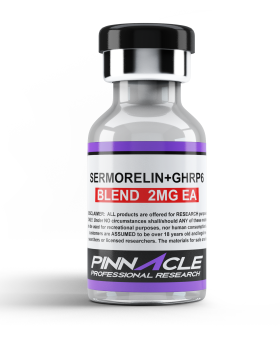
Consumer note on “stacking” products: some brands sell “blend” or combo kits. If you’re specifically pursuing sermorelin and ipamorelin stacking, verify that the blend includes both actives at clearly stated amounts. Blends can be convenient, but they can also make it harder to troubleshoot side effects.
Comparison of Common Options
| Format | Typical Dose/Use | Pros | Cons | Cost | Best For |
|---|---|---|---|---|---|
| Sermorelin (injectable vial) | Often once-daily, reconstituted; start low per label/clinician guidance | Clear actives, common protocol structures | Injection routine; troubleshooting requires tracking | Varies widely by mg and brand (commonly mid-range) | Women 55+ who want a single-variable trial before stacking |
| Ipamorelin (injectable vial) | Often once-daily; timing affects sleep/recovery signals | Often favored for sleep/recovery-focused experiments | Injection routine; dose timing can worsen sleep in some | Varies (commonly mid-range) | Those starting with sermorelin and ipamorelin options but cautious about stacking |
| Sermorelin + Ipamorelin stack (separate vials) | Two-peptide schedule; conservative stacking often uses lower frequency/dose at first | More flexible troubleshooting (which peptide may cause effects) | More variables; side effects can compound; tracking needed | Often higher monthly total | Women who already know they tolerate one peptide well |
| Blend product (combo formulation) | Per-label combined amounts; dosing depends on blend concentration | Convenience; fewer steps | Less flexibility; harder to isolate responses | Often mid to higher | Those who want simplicity after researching exact dosing and testing |
| Oral “Sermorelin/Ipamorelin” products (varies) | Capsule or tablet directions vary by brand/formulation | No injections; easier adherence | Not all “oral” items are equivalent; absorption/formulation differs | Often lower per bottle, but may differ in active peptide delivery | Women who can’t or won’t inject and want an alternative pathway to discuss with a clinician |
Buying Framework and Red Flags
If your goal is steady, measurable experimentation, use a buying framework instead of impulse-picking. Sermorelin and ipamorelin are popular, and that also means you’ll see low-transparency listings.
Checklist before you buy:
- Does the listing show clear peptide identity? (srm/ipa explicitly stated)
- Do you see a COA or third-party test tied to the lot number you’ll receive?
- Is concentration stated (mg per vial) and are instructions included to help you measure correctly?
- Are storage and reconstitution steps explained (especially for vials)?
- Is pricing clear enough to calculate cost per “effective dose” (not just per bottle)?
- Does the vendor avoid unrealistic claims like “guaranteed results” or “cure” language?
Red flags:
- Vague “proprietary” naming with no dosing clarity.
- No lot-specific testing or no batch traceability.
- Too-good-to-be-true pricing that doesn’t match the peptide category.
- Promotional copy that sounds like certainty: “you will lose X pounds” or “guaranteed youth results.”
- Protocol pages that push high doses immediately without advising caution, monitoring, or health context.
Consumer-side dosing practicality: even if two women buy the same “brand,” the results can differ because of timing, adherence, sleep, calorie/protein intake, training, and baseline glucose regulation. If you’re stacking sermorelin and ipamorelin, tracking is non-negotiable—otherwise you can’t tell what helped or hurt.
Common Mistakes and How to Avoid Them
- Stacking too fast: start with one peptide (or a minimal addition) so you can identify side effects.
- Ignoring timing: if sleep worsens, adjust timing sooner rather than assuming “more is better.”
- Not tracking: track sleep quality, appetite changes, training recovery, and any unusual symptoms. Even a simple daily log helps.
- Switching protocols midstream: if you change dose, timing, and product at once, you won’t learn what caused the outcome.
- Expecting instant composition changes: body composition takes time, and hormones interact with lifestyle more than most ads suggest.
- Buying without quality signals: COA/lot transparency and dosing clarity matter for consistency.
FAQ
Is it proven that sermorelin and ipamorelin help women 55+?
Evidence generally supports that sermorelin and ipamorelin relate to GH-axis signaling, but “proven for every woman 55+” in real-world body composition and skin outcomes is not established in a simple, guaranteed way. Consumer experiences vary, and safety depends on individual medical context.
How long does it take to notice results from sermorelin and ipamorelin stacking?
Many people report the earliest signals (if any) within 1–2 weeks, often related to sleep or recovery. Meaningful body composition changes, if they happen, typically require more time—often several weeks to a few months—while lifestyle factors remain crucial.
What side effects should I watch for with sermorelin and ipamorelin?
Common “consumer check” issues include sleep disruption if timing is off, changes in appetite, and headaches or injection-site discomfort. Because these peptides can relate to the GH axis, glucose metabolism considerations matter—especially if you have insulin resistance or diabetes. Stop and seek medical advice if you experience concerning symptoms.
Can I combine sermorelin with ipamorelin, and is stacking safe?
Some protocols combine sermorelin and ipamorelin, but stacking increases complexity and makes it harder to pinpoint side effects. Safety depends on your health history, medications, and glucose/hormone status. Use conservative starts and discuss with a clinician when possible.
Are oral options for sermorelin and ipamorelin as good as injection/alternatives?
Oral products are not always equivalent to injectable peptides in terms of delivery and absorption. If you want to compare oral vs injection/alternative routes, focus on product transparency (what’s actually in it), dosing clarity, and whether the formulation is designed for reliable systemic exposure.
A Practical 2-Week Experiment Framework
This is designed to be cautious and informational—more like “tolerance + early signals” than “results guarantee.” If you decide to trial sermorelin and ipamorelin, do it with tracking and conservative expectations.
Before you start (baseline day):
- Take baseline measurements: weight, waist, and (if possible) a body-fat estimation method you can repeat.
- Write down current sleep patterns (bedtime, wake time, night wakings).
- Record training schedule and protein intake (even roughly).
- Note any medical conditions and medications you’re on so you can discuss them with a clinician if needed.
Days 1–7:
- Start with one peptide first (either sermorelin or ipamorelin) if your plan allows; avoid stacking on day one.
- Use consistent timing—especially if you’re targeting sleep/recovery.
- Track daily: sleep quality (1–10), late-night hunger, morning energy, and any side effects.
- Keep training steady; don’t change workouts aggressively during the first week.
Days 8–14:
- If week one is tolerated and your schedule supports it, consider a conservative addition (if you’re specifically interested in sermorelin and ipamorelin stacking) rather than jumping to a “full” protocol.
- Continue tracking sleep and appetite; these are often the first things consumers notice when timing is wrong.
- Re-check your waist and take photos (same lighting/angle) at the end of two weeks—don’t over-interpret small changes.
- If sleep worsens, appetite spikes at night, or you feel off, stop the change and reassess rather than pushing through.
Decision rule after 14 days:
If you saw improved sleep/recovery signals without adverse changes, you can consider continuing longer and refining only one variable at a time. If side effects increased—especially sleep disruption—don’t “stack harder.” Switch to a more conservative approach or pause and talk with a clinician.
About the Author
Morgan Reid is a consumer health reviewer with a background in fitness journaling and supplement auditing (label reviews, ingredient transparency checks, and protocol-tracking). For years, Morgan has tested and compared wellness products through a structured “measure first” approach—sleep logs, waist measurements, and side-effect journaling—then writes with the assumption that hormone-adjacent products require caution and context. This article reflects consumer-style observations and shopping frameworks, not medical advice, and does not claim to diagnose, treat, or cure any condition. If you have endocrine/metabolic issues or take medications, consult a qualified clinician before using sermorelin and ipamorelin or any stacking protocol.
Discussion