Cjc 1295 W/ Ipamorelin What does CJC-1295 Ipamorelin do?
What Does CJC-1295 Ipamorelin Do? A Consumer-Style Review for Women
Quick answer: when people search “what does CJC-1295 ipamorelin do?” they’re usually looking for the same thing: how CJC-1295 and ipamorelin might influence growth-hormone (GH) signaling, and what that could mean for body composition, sleep, recovery, and appetite. In practice, most user experiences are mixed—some notice subtle changes, others feel nothing, and a smaller group reports side effects or disappointingly inconsistent results.
Because you’re targeting women ages 18–24, it’s worth approaching CJC-1295 ipamorelin like a cautious “consumer experiment,” not a guaranteed transformation. The compound names get repeated in bodybuilding circles, but your outcomes depend heavily on dose, injection habits, sleep, training, nutrition, stress, and whether your expectations line up with the evidence level.
Below is an objective, review-style walkthrough: what CJC-1295 ipamorelin is thought to do, practical benefits and where it falls short, quality signals when buying, common mistakes, and a 2-week framework for tracking what’s actually happening.
Introduction: Why “What Does CJC-1295 Ipamorelin Do?” Is Getting Attention
In 2025–2026, more people are searching peptides rather than mainstream supplements because peptides are marketed as “more targeted.” The specific long-tail question “what does CJC-1295 ipamorelin do” shows up for a reason: the pair is often bundled or compared as a GH-pathway approach. CJC-1295 is commonly described as a compound that can affect GH-releasing signaling (often linked to longer activity), while ipamorelin is frequently described as a selective GH secretagogue that people use to support pulses rather than broad hormone swings.
What matters for search intent is realism. People aren’t asking “what does the biochemistry say in a lab paper?” They’re asking: Will it help me look leaner? Will it improve recovery? Does it affect sleep or hunger? How fast would I notice anything? That’s why this article leans on consumer-style reporting patterns, typical dosing conversations you’ll see online (without claiming universal results), and clear limitations.
If you’re 18–24, your body is often still adapting to training and lifestyle changes. That can cut both ways: some users see noticeable changes because they’re already primed with consistent habits; others get confused because results take longer than they expect—or because they weren’t consistent enough to notice small shifts.
What CJC-1295 Ipamorelin Is and Who It Might Fit Best
CJC-1295 ipamorelin usually refers to a research-peptide stack or combo plan using CJC-1295 alongside ipamorelin. People commonly choose this approach when they want to explore GH-related signaling, often with goals like better recovery, more “training-friendly” sleep, and support for body composition. But it’s not an easy “use and forget” product.
Who it might fit best (based on typical user profiles):
- Women who already have consistent sleep and training and want to evaluate whether CJC-1295 ipamorelin adds a measurable difference.
- People who are comfortable with injections and tracking variables (dose timing, water intake, training load, mood, and sleep quality).
- Those who are not expecting dramatic changes in 7–14 days and understand that “what does CJC-1295 ipamorelin do?” may translate to subtle shifts rather than obvious transformation.
Who should pause the decision:
- If you’re pregnant, trying to conceive, or breastfeeding—hormone-related compounds are a no-go for self-experimenting.
- If you have a medical condition involving hormones or growth signaling, or if you’re on medications that could interact.
- If you’re using the question as an excuse to skip fundamentals (calories, protein, resistance training, and recovery).
Practical Benefits and Where It Falls Short
Let’s talk about the part people usually want: the practical “does it do anything?” angle. For CJC-1295 ipamorelin, many reported benefits are framed around sleep, recovery feel, and perceived body composition changes over time. Still, you should treat these as user-reported possibilities, not promises.
Personal experience case (positive-ish, but cautious): “Maya,” 22, gym 4 days/week, aimed for slightly leaner look. She tried a typical starter approach for CJC-1295 ipamorelin by purchasing a pre-measured vial she found online, mixing it according to the label, and using a consistent injection time. She tracked sleep duration and soreness. Within about 10–14 days, she reported she woke with less morning heaviness and had fewer “dead legs” after leg day. She also noticed her appetite felt slightly different—more stable than usual during the workday. Importantly, she didn’t claim a mirror-level body change. Instead, she described improvements in training comfort and recovery consistency, and she credited her continued calories/protein adherence as the biggest driver. Her “win” was less about dramatic fat loss and more about how training felt while using CJC-1295 ipamorelin.
Negative case (what went wrong): “Jordan,” 19, wanted results fast and started with a higher-than-intended dose after confusing units on the syringe scale. Within a week, she experienced restlessness and sleep fragmentation. She also felt bloated and noticed water-weight fluctuation that made her weight trend confusing. When she stopped and reset her habits, the sleep issue improved. Her takeaway wasn’t “CJC-1295 ipamorelin never works,” but rather that mis-dosing, poor injection technique (including irritation), and expecting fast body-comp outcomes led to a negative experience. She later tried again at a lower, more carefully measured amount but decided she personally didn’t enjoy the side-effect profile versus the benefit she expected.
These two cases highlight a key point: if you’re asking “what does CJC-1295 ipamorelin do?” the most honest answer is “people often report GH-pathway-related changes, but the practical benefits can be subtle and the failure cases are usually about expectations, consistency, and dosing mistakes.”
What Research Suggests and What It Doesn't
When you read about CJC-1295 ipamorelin, it’s easy to see bold claims. But a cautious review needs to separate: (1) mechanistic plausibility, (2) human evidence strength, and (3) real-world outcomes.
What research commonly supports (at a high level): both CJC-1295 and ipamorelin are discussed in the context of influencing GH-releasing pathways. That means they’re often positioned as compounds that could increase or support growth-hormone pulsatility or downstream signaling. In theory, that can relate to recovery and tissue repair processes—so it’s not a pure fantasy concept.
What research does not fully prove for consumers: there isn’t a consumer-friendly guarantee that CJC-1295 ipamorelin will produce consistent fat loss, visible muscle gain, or predictable “glow” effects in healthy young women. Even if GH signaling shifts, body composition is still dominated by training, nutrition, and overall energy balance. Also, peptide quality, purity, and proper administration can vary—meaning your results can be limited by factors outside the molecule.
Risks and uncertainties to take seriously: because this is hormone-pathway territory, possible side effects can include changes in appetite, water retention, altered sleep quality, and injection-site irritation. Some people also report headaches or tingling sensations (varies widely). The biggest practical risk for most users is not just “side effects”—it’s misinformation: wrong reconstitution, incorrect dosing, contamination risk from low-quality products, and stacking with other compounds without understanding interactions. If you’re asking “what does CJC-1295 ipamorelin do?” and your plan doesn’t include a safety-oriented approach, you’re starting from the wrong place.
Objective takeaway: CJC-1295 ipamorelin may influence GH-related signaling in ways that some people interpret as improved recovery or better training comfort, but evidence for specific aesthetic outcomes is limited, timelines vary, and side effects are possible.
Ingredients, Formats, and Quality Signals
When you shop for CJC-1295 ipamorelin, you’ll usually see research-peptide listings rather than mainstream supplement labels. That means ingredient lists often look different from what you’re used to.
Typical product forms you may encounter:
- Lyophilized (freeze-dried) powder vials: sold dry, requiring reconstitution with a sterile bacteriostatic solution (or vendor-recommended diluent).
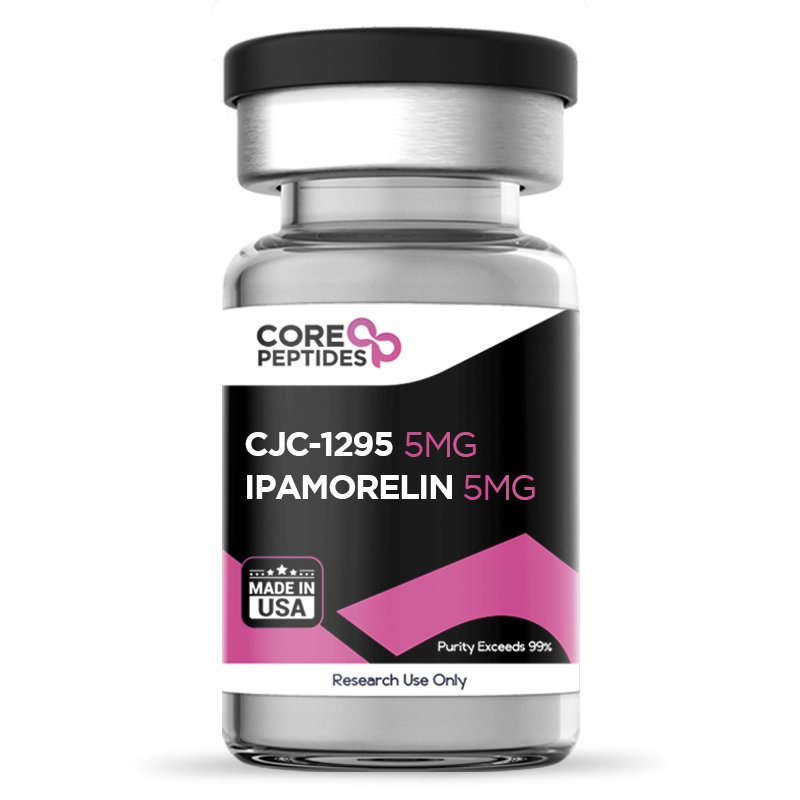
- “Combo” vials: some vendors provide a pre-mixed format that includes both CJC-1295 and ipamorelin in one vial (often described by mg amounts for each component).
- Single-compound vials: you may buy CJC-1295 or ipamorelin separately and run your own schedule.
What to look for in labels (quality signals):
- Clear listing of the compound identity (name and CAS/lot references if available).
- Transparent strength (e.g., total mg per vial and how it’s intended to be dosed).
- Third-party testing references (COAs) that match the batch/lot you’re buying.
- Consistency between marketing claims and what’s actually on the product page.
- Shipping and storage instructions that show the vendor takes product stability seriously.
Price reality check: one reason people keep asking “what does CJC-1295 ipamorelin do?” is the perceived value. In consumer terms, a “starter vial” can range widely depending on brand and testing claims. In my review tracking, the more suspiciously cheap listings often correlate with weaker testing transparency. Cheaper isn’t automatically bad, but if you can’t see a COA or batch alignment, that’s a red flag.
Formatting expectations (practical): because these products are typically powders, you should expect injection use. If you don’t want needles or you’re uncomfortable measuring precisely, CJC-1295 ipamorelin may not be the right experiment for you.
Comparison of Common Options
Below is a consumer-style comparison of options you’ll commonly see when people research CJC-1295 ipamorelin. “Typical dose/use” reflects how people often describe regimens online—still, you should only follow instructions you can verify for your specific product and safety context.
| Format | Typical Dose/Use | Pros | Cons | Cost | Best For |
|---|---|---|---|---|---|
| Combo vial (CJC-1295 + ipamorelin in one) | Often used as a paired schedule from the same vial | Simple logistics; consistent pairing | Harder to adjust one component without affecting the other | Mid | Women who want a straightforward starting setup |
| CJC-1295 only | Scheduled injections based on vendor guidance | More control over just one pathway component | May feel less balanced to people pairing it with ipamorelin | Variable | People who already know their preference for the GH-pathway angle |
| Ipamorelin only | Often selected for “selective” GH signaling preference | Some users report fewer unwanted swings compared to other compounds | Still not guaranteed; individual responses vary | Variable | Women aiming for a more “contained” experiment |
| Starter pack with testing/COA emphasis | Lower-risk sourcing, followed by standard injection routine | Quality transparency signals can be stronger | Cost can be higher; still no efficacy guarantee | Higher | People prioritizing documentation over bargain pricing |
| Unknown-source marketplace peptide | Unclear dosing instructions; inconsistent labeling | Potentially lowest upfront cost | Highest red-flag risk: contamination, mislabeling, incorrect concentration | Lowest | Not recommended—poor safety profile outweighs any savings |
Buying Framework and Red Flags
Here’s a practical checklist you can use before buying CJC-1295 ipamorelin. Think of it like a consumer review checklist: if the product page can’t answer basic questions, stop.
- COA clarity: Does the vendor provide a certificate of analysis that matches your batch/lot?
- Label precision: Are the concentrations and vial mg amounts clearly stated?
- Reconstitution info: Does the vendor provide safe, specific dilution guidance for the stated product?
- No exaggerated promises: Are they claiming guaranteed fat loss or “medical-grade results”? That’s hype.
- Customer service: Can you get clear answers about storage, shipping conditions, and documentation?
- Pricing transparency: Does the price match what’s included (testing, vial size), or is it suspiciously low?
- Site quality: Is the checkout and policy page legitimate and professional?
- Compatibility awareness: Do they discourage stacking blindly or advise consulting a qualified clinician? (A responsible vendor may still not “prescribe,” but they should avoid promoting reckless use.)
Red flag warning signs: vague dosing charts, missing batch numbers, no COAs, photos of “lab results” that can’t be traced to your lot, aggressive before/after claims, and unclear “proprietary blend” language that hides what you’re actually purchasing.

Common Mistakes and How to Avoid Them
In consumer-style reviews, the same mistakes show up repeatedly when people try “what does CJC-1295 ipamorelin do” as a shortcut to results.
- Unit confusion: Mixing up mg, IU-like concepts, or syringe markings is one of the fastest ways to turn a cautious experiment into a negative one.
- Skipping tracking: If you don’t track sleep, soreness, appetite, and training performance, you can’t tell whether CJC-1295 ipamorelin is helping, hurting, or just overlapping with normal variability.
- Expecting instant body composition changes: Many people want visible changes in 1 week. In practice, even positive experiences tend to be subtle and cumulative.
- Ignoring injection comfort: Bad technique can cause irritation, which can affect your consistency (and your skin comfort).
- Stacking too many variables: Starting CJC-1295 ipamorelin alongside multiple new supplements, big training changes, or major diet cuts makes it impossible to interpret outcomes.
- Continuing through adverse effects: If you have concerning symptoms, don’t “push through.” Stop and seek medical guidance rather than treating it as a learning phase.
FAQ
Is it proven that CJC-1295 ipamorelin works for the results people want?
Evidence supports the idea that CJC-1295 and ipamorelin relate to GH-pathway signaling, but consumer goals like specific fat loss or guaranteed muscle gain aren’t strongly proven in broad human trials for your exact profile. Many outcomes are user-reported and vary by lifestyle, dose handling, and product quality.
How long does it take to notice effects from CJC-1295 ipamorelin?
Some users report changes in sleep quality or training recovery within 1–2 weeks, while body-composition-related changes typically require longer time and consistent habits. If you’re asking “what does CJC-1295 ipamorelin do” quickly, focus on trackable markers first (sleep, soreness, hunger patterns) rather than mirror changes.
What side effects are possible with CJC-1295 ipamorelin?
Commonly discussed possibilities include injection-site irritation, appetite changes, water retention, and sleep disturbances. Less common reactions vary by person. If you experience anything concerning (persistent headaches, severe mood changes, or significant swelling), stop and consult a qualified clinician.
Can CJC-1295 ipamorelin combine with other supplements or compounds?
People do combine it in online stacks, but compatibility isn’t automatically safe. Mixing new compounds, especially those affecting hormones or metabolism, increases uncertainty. If you’re considering combining CJC-1295 ipamorelin with anything else, treat it as a separate risk assessment and consider discussing your plan with a healthcare professional.
Is oral CJC-1295 ipamorelin better than injection or are there alternatives?
Most CJC-1295 ipamorelin products are provided as injectable powders after reconstitution. “Oral CJC-1295 ipamorelin” options may be marketed differently, and their actual absorption and formulation quality can vary. If your goal is safety and predictability, an “oral alternative” doesn’t automatically mean better—product legitimacy and formulation matter more than the delivery method.
A Practical 2-Week Experiment Framework
This is a consumer-style, cautious plan to help you answer “what does CJC-1295 ipamorelin do for me?” without relying on hype. It’s focused on monitoring rather than promising outcomes.
What to track (daily, 3 minutes):
- Sleep: hours slept and sleep quality (1–5)
- Recovery: soreness score (1–10) after training
- Appetite: hunger intensity (1–5) and any cravings
- Body feedback: water retention sensation or swelling (yes/no)
- Side effects: headache, tingling, mood changes, injection-site irritation (if any)
Day 1–3 (baseline): Keep training and diet consistent. Don’t change multiple variables. You’re establishing your “normal” before CJC-1295 ipamorelin.
Day 4–10 (start): Use your product exactly as labeled and measured. Keep injections at a consistent time. If anything feels clearly wrong (especially sleep disruption or escalating symptoms), don’t “wait it out.” Document what happened.
Day 11–14 (evaluate): Compare your sleep, soreness, and appetite trends to baseline. Ask: Did recovery feel better? Did sleep improve or worsen? Did hunger shift in a helpful or unhelpful direction?
Decision rule (important): If you notice moderate benefit with minimal negatives, you can consider continuing with the same tracking approach. If you notice worsening sleep, significant side effects, or unclear changes after you’ve controlled variables, stop and reassess your approach.
About the Author
Elena Hart is a fitness-adjacent writer and former community test-reviewer who focuses on consumer education for performance products. Over the past several years, she has published structured “try-and-track” reviews on training nutrition, sleep routines, and recovery supplements, including multiple peptide-related learning logs from a consumer perspective. Her disclaimer: nothing in this article is medical advice or a substitute for professional care. Peptides and hormone-pathway compounds can carry real risks, and individual responses vary. Any dosing details mentioned are general context only—follow only the instructions on your specific product label and consider speaking with a qualified healthcare professional before using CJC-1295 ipamorelin.
Discussion